All Categories
Featured

Accessing Military Relief Assistance in 2026
Table of Contents
Get VA healthcare, discover how to access services, and handle your health and advantages online. Sue for disability payment for conditions associated with your military service, and handle your benefits gradually. Look for and handle your GI Expense and other education advantages to assist pay for college and training programs.
Planning for 2026 Interest Rate Drops in VA LendingRequest monthly payments for wartime Veterans and survivors with minimal or no earnings who meet specific age and impairment requirements. Discover if you're eligible for a VA-backed home loan. If you have a service-connected special needs, see if you certify for a housing grant to assist you live more individually.
Manage your policy online, file claims for advantages, and access practical resources. Get aid planning a burial in a VA national cemetery, order a headstone or other memorial product to honor a Veteran's service, and obtain survivor and dependent advantages. Request a printed Veteran ID card, get your VA advantage letters and medical records, and learn how to look for a discharge upgrade.
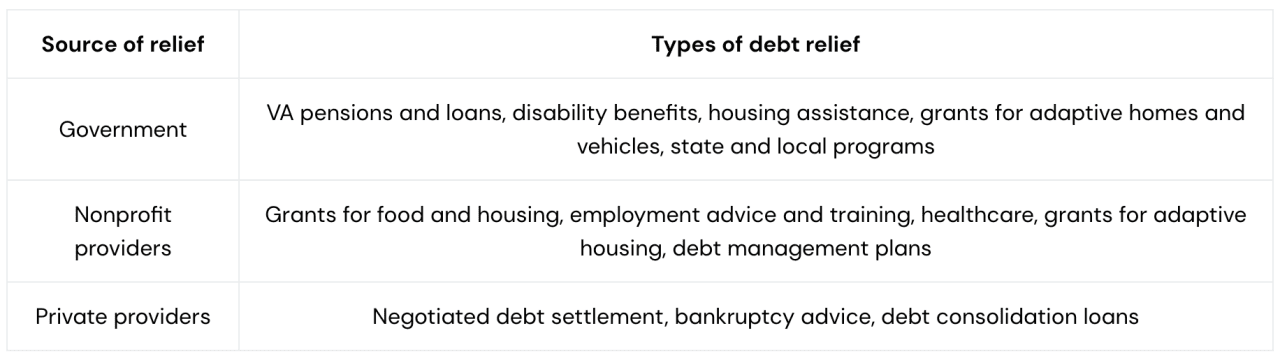
Planning for 2026 Interest Rate Drops in VA LendingAccessible Veteran Financial Assistance Models for 2026
Find out about the benefits you may be qualified for as the partner, dependent, survivor, or caregiver of a Veteran. Discover more about the VA departments that handle our benefit and health care programs.
Written by Legal Help Society Attorney Frank Bencomo If Veterans Affairs contacts you stating that you have actually been paid too much advantages and thus owe them a large amount of financial obligation, it's necessary to understand your rights under the law. Title 38 of the Code of Federal Regulations sets out how veterans can seek relief from sudden financial obligation charges.
It can likewise stem from administrative errors or misunderstandings about eligibility requirements. Typically, beneficiaries unknowingly receive more advantages than they're entitled to due to delays or errors in reporting details. These overpayments cause financial obligations that the VA will try to gather on. The VA may withhold or lower future advantages to recuperate the owed quantity.
If the debt stays overdue, the VA may refer the debt to the Treasury Department or a collection agency. This can result in increased pressure to repay the debt and might involve additional costs or charges. Overdue debts can adversely affect your credit history if they are reported to credit bureaus.
How to Handle VA Debt in 2026
In severe cases where efforts to collect the debt have actually been not successful, the VA might take legal action to recover the quantity owed. Failure to resolve overpayment debt can threaten eligibility for future VA benefits or services.
Seeking help to fix the concern can assist alleviate the influence on your benefits and monetary situation. Thoroughly go through the notice to comprehend the factor for the overpayment and the amount owed. Make sure that all the information provided is accurate and shows your situation correctly. If you believe the overpayment is inaccurate or if there are extenuating scenarios, you can appeal the decision or demand a reconsideration.
If the overpayment is legitimate, you can work with the VA to establish a repayment plan. This can include paying the debt in full or setting up a payment schedule based upon your financial scenario. In certain circumstances where repayment would trigger monetary challenge, you can request a waiver of the debt.
Improving Military Spouse Employment Pathways in 2026
Consider reaching out to a Veterans Service Organization (VSO) or legal help for guidance and support in browsing the procedure. They can supply valuable suggestions and assistance in dealing with overpayment issuesRespond to the notice within the defined timeframe and keep open communication with the VA. Overlooking the notification or delaying reaction could lead to additional issues.
Requesting a waiver of VA overpayment debt includes demonstrating specific aspects that contribute to monetary difficulty or would make repayment unfair. Here are some aspects that might support your demand for a waiver:: Program that repaying the financial obligation would cause substantial monetary challenge. This could include evidence of low income, high necessary expenses, or unanticipated financial burdens.: Provide documents showing that you do not have the means to pay back the financial obligation.
If fault for an overpayment can not plainly be ascribed to the recipient, VA's policy is to presume that fault and not develop a debt versus the recipient. The VA has a liberal policy that, whenever the evidence of record is similarly prone of being translated as showing an absence of knowledge by the beneficiary and as revealing that he or she understood however stopped working to reveal material realities to VA, the doubt will be fixed in the recipient's favor.

Latest Posts

Overcoming Military Career Gaps

How to Navigate Veteran Benefit Processes

Expert VA Liability Management for 2026